
Extreme Weather Preparedness for Small Businesses

You have a lot to consider in running daily operations, let alone dealing with damage in the aftermath of a weather event.
Mainers are accustomed to inclement weather (especially in the winter), but the changes we’re experiencing are forcing us to contend with a new reality. Extreme weather events and storms will continue to become more intense, volatile, and unpredictable – resulting in higher chances of damage to your building, equipment, product, and overall capacity to operate.
Being proactive can save money over the long term.
Download the Extreme Weather Preparedness Toolkit for Small Businesses
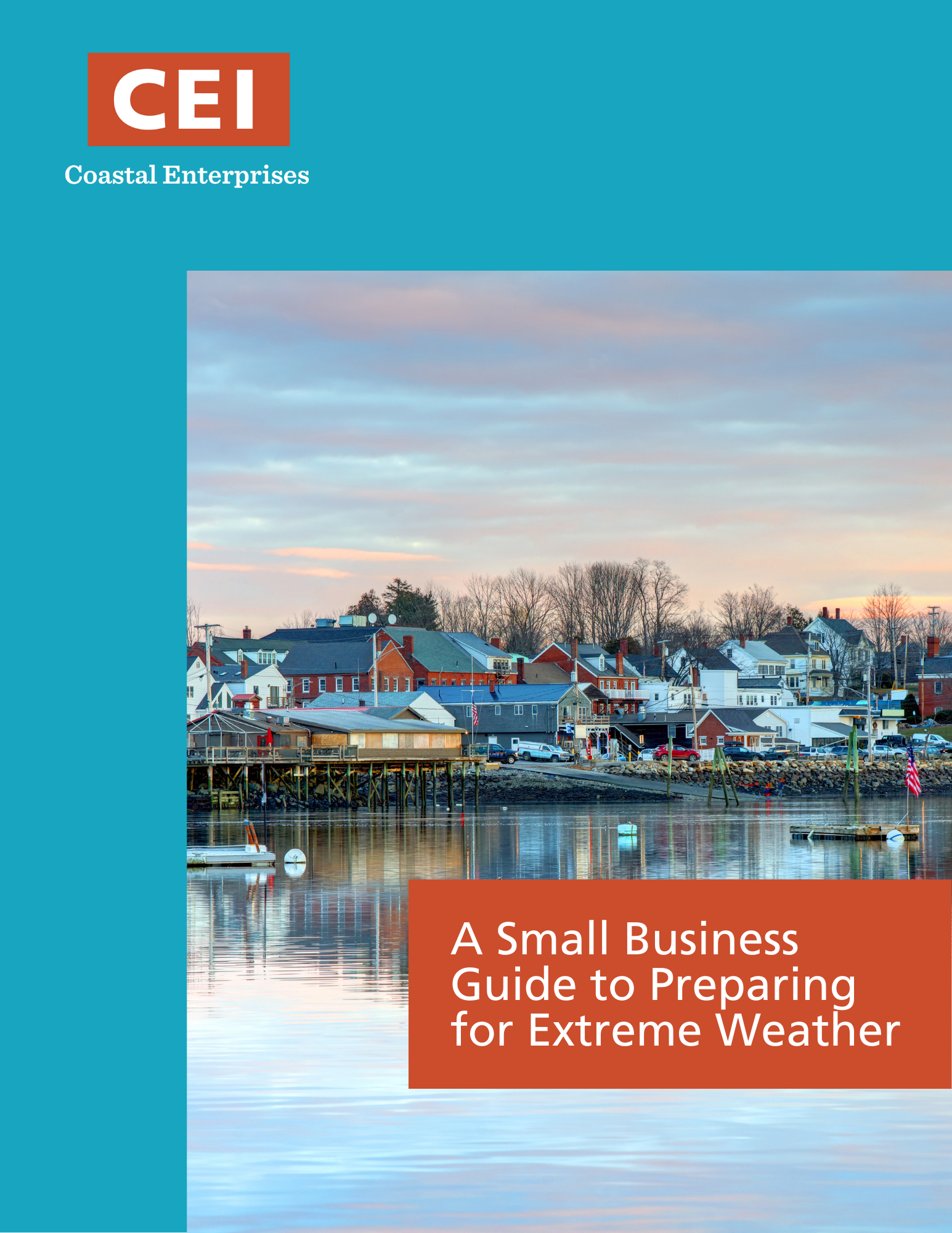
Take the next step in protecting yourself and your business.
Our free toolkit includes:
- Risk Assessment tools
- Recommendations for Low, Moderate and High Risk Businesses
- What to do after a disaster
- How your business can help your local community during and after a disaster
Video Guides for Using the Toolkit
This video gives Maine business owners a quick tour of the Weather Preparedness Toolkit and shows how each tool can help you understand local risks, protect your business assets, and plan ahead for extreme weather. It explains where to begin and how to use the toolkit to make informed decisions.
This video shows business owners how to use the coastal flooding tool to check whether storm surge, sea‑level rise, or tidal flooding could affect their location. It walks you through selecting your area, reviewing flood scenarios, and understanding what conditions might disrupt business operations or damage property.
This video explains how to use the culvert tool to see whether nearby road crossings or drainage systems could wash out during heavy rain. It helps business owners identify vulnerable travel routes, assess delivery or customer access risks, and use the information to strengthen emergency and continuity planning.
This video demonstrates how to use the river flooding tool to understand whether rivers or streams near your business could overflow during severe storms. It shows how to explore flood depths and extents and use the results to plan for potential impacts on your building, utilities, transportation routes, or supply chains.
Workshop Recordings
Check out these recordings from our Winter Readiness Workshop sponsored by M&T Bank