
Supporting Maine's Marine-Based Businesses Since 1977
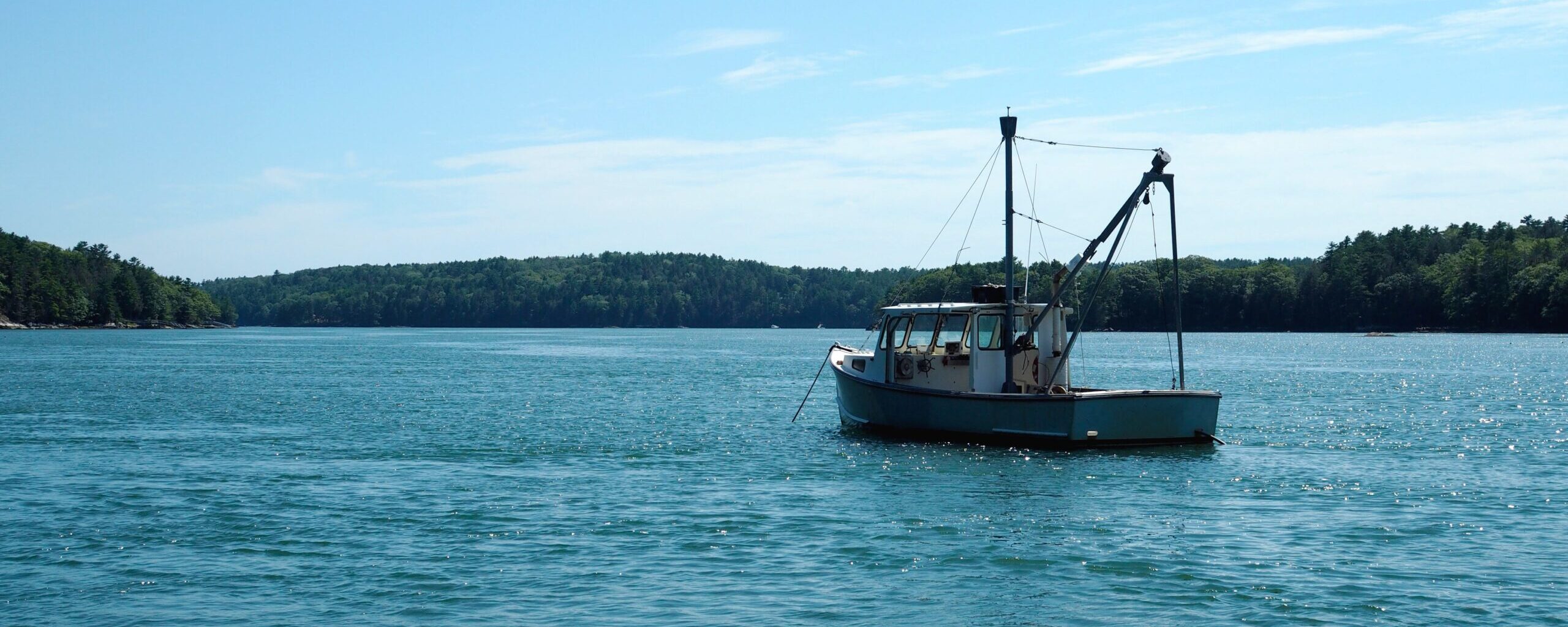
We provide advising and financing to Maine-based fisheries and aquaculture businesses to improve their long-term viability, create and maintain quality jobs, safeguard marine-related infrastructure and environments, and help preserve the cultural integrity of Maine’s working waterfront.
Our deep Maine roots and passion for economic development gives CEI the extensive expertise and insight into the unique challenges and opportunities faced by entrepreneurs in the fishery and aquaculture sectors. We do more than find funding for vessels and upwellers —we forge networks, embrace modern technologies, advocate for better policies, and celebrate the way these sectors sustain our Maine way of life.
Whether you are an aquaculturist or fisherman, harvester, processor, dealer or wholesaler, we can provide technical assistance and financing for your start-up, invention, expansion, equipment and infrastructure projects. Be it lending, advice, or both, CEI’s Fisheries and Aquaculture Program is here to help.
OUR PRODUCTS & SERVICES
Helping your marine-based business flourish
Love Point Oysters
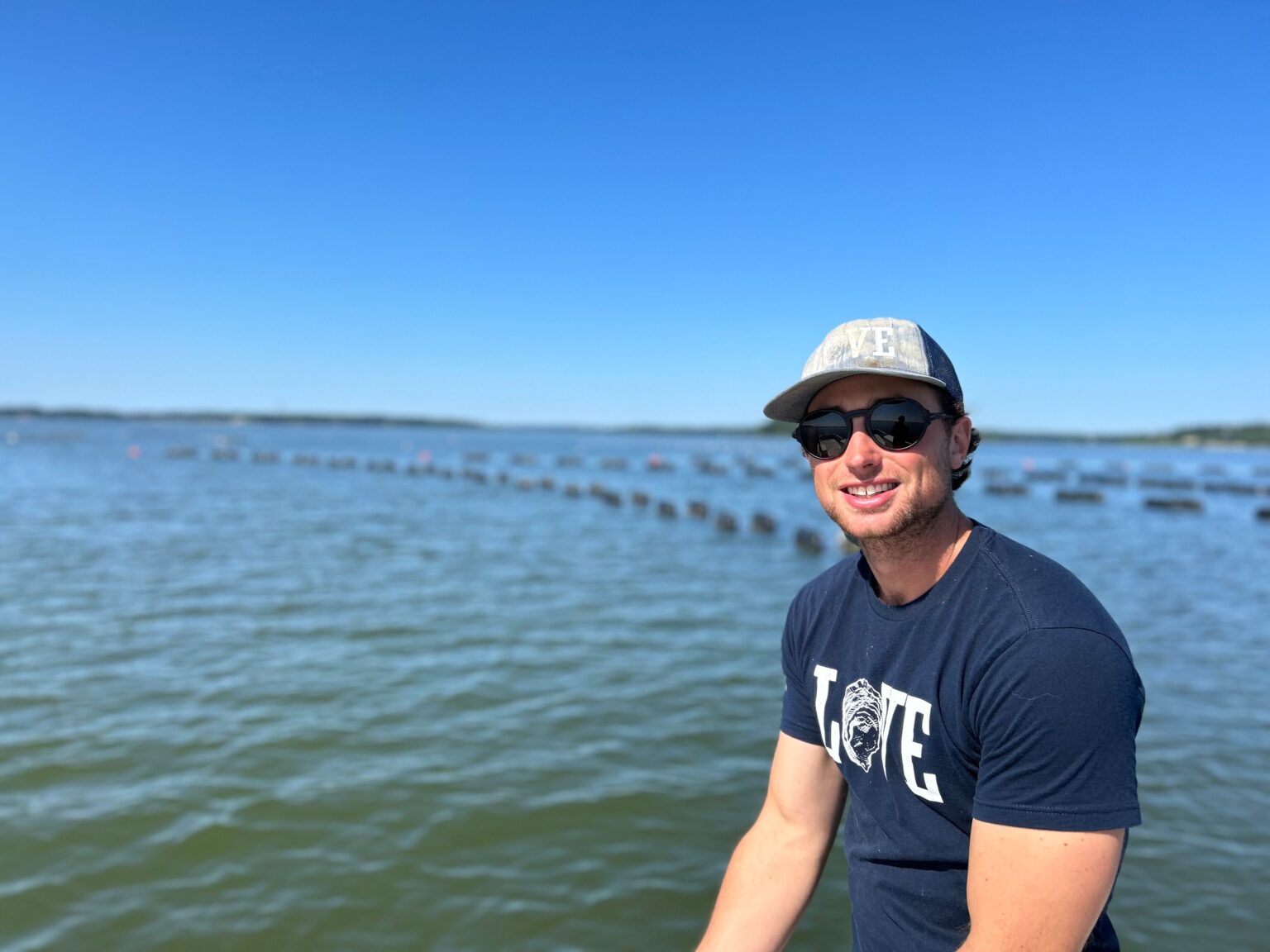
“Cameron Barner has spent much of his life feeling an immense connection to the oceans and sea creatures of Maine. He soon found…”
American Unagi
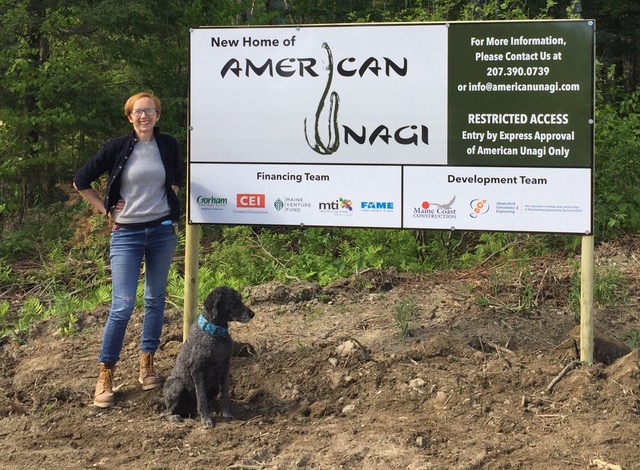
“The American eel (Anguilla rostrata) is in increasingly high demand as a versatile ingredient in Western cuisine. But before an eel becomes a…”
Nautical Farms
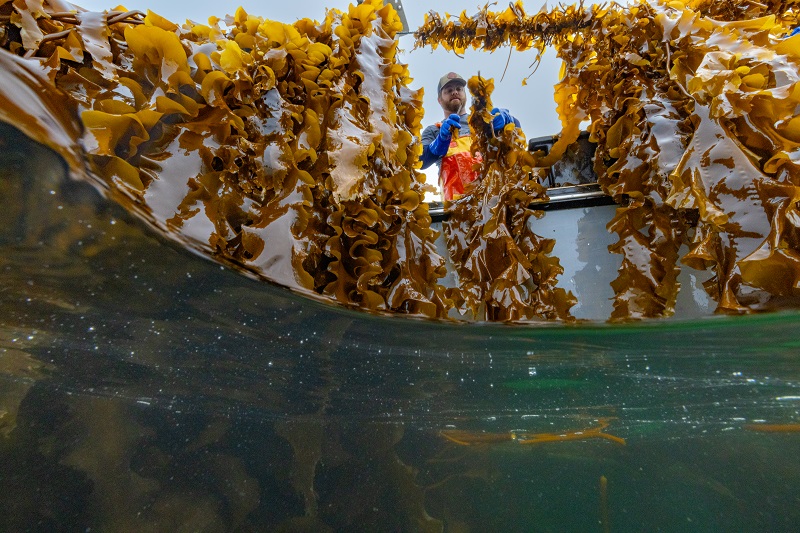
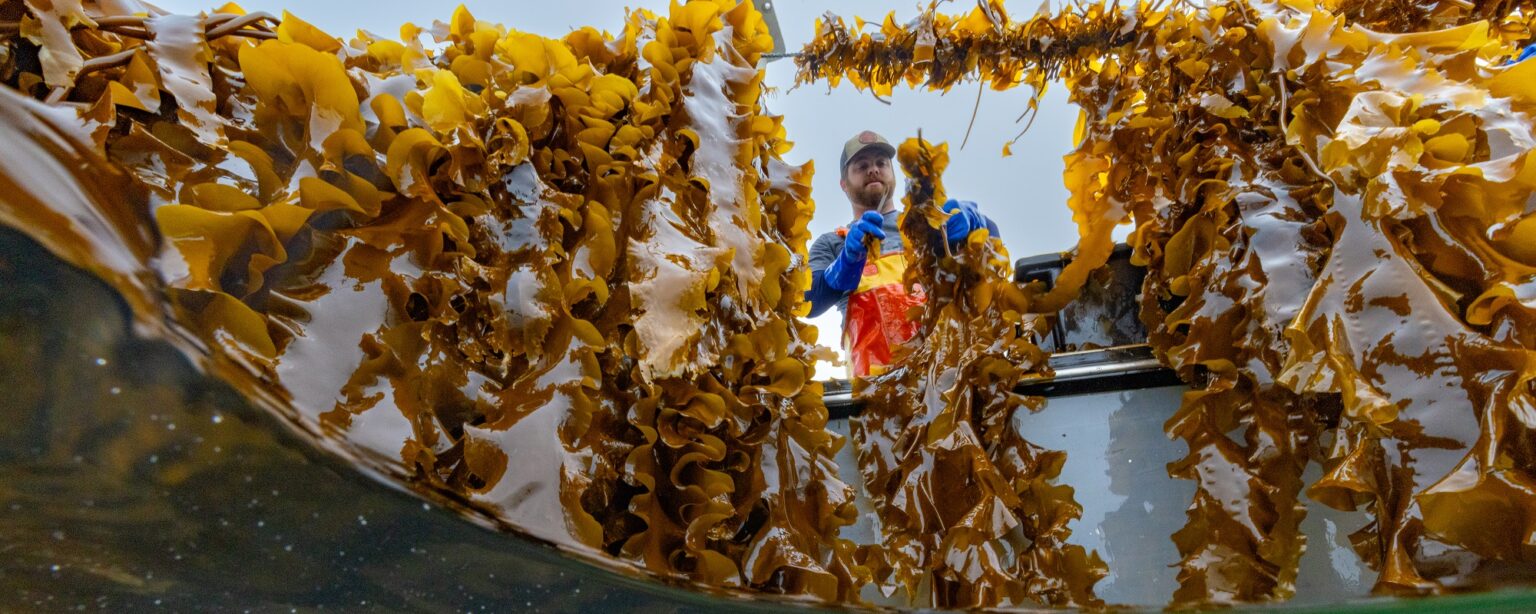
“While some view seaweed as a nuisance, Nautical Farms understands the immense power and potential of the plant and ensure that Maine has…”
Business Advising & Technical Assistance
Technical Assistance
Our fisheries and aquaculture team have decades of experience on Maine’s waters with a diverse range of species. We have deep connections within Maine’s working waterfront community and are well-versed in marine farming and harvesting technology options and best practices. We can connect you with resources across the state to build or grow your business.
Business Advising
Meet with our fisheries and aquaculture experts who knows the industry well to help you start or grow your marine-based business with tailored advice on business planning, marketing, financials and more.
If you need capital for your business, we can help you get “loan ready” whether you apply to CEI or other lenders.
Support from experts that know YOUR kind of business
Financing for Marine-based Businesses
Sea Farm Loans
Financing for Maine’s Aquaculture Businesses
If you are seeking to grow your aquaculture operation but have had difficulty getting a loan from a commercial lender, CEI is here to help. We have over 45 years of experience working with marine trades, in and on the working waterfront, and are experts in aquaculture practices and financing.
Terms
Terms and closing costs may vary based on specifics of project and prevailing market rates. Typical time to approval is 4-6 weeks but can fluctuate based on number of requests.
Geography:
Maine’s coastal counties – York, Cumberland, Sagadahoc, Lincoln, Knox, Waldo, Hancock and Washington Counties
Sector:
Commercial aquaculture. To be eligible: – Borrower must have necessary licensing and leasing permits – Borrower must have documented $500 in sales to unrelated/non-family party – A complete business plan and minimum two years cash flow projection
Uses:
Restructuring of debt, purchasing boats, gear, and equipment, renovating or constructing infrastructure, acquiring land, and operating capital
Amount:
Up to $250,000 (higher amounts may be considered)
Interest Rate:
Fixed at 5%
Typical Term:
5-7 years with extended amortization possible.
Other Features / Requirements:
Flexible/seasonal repayment schedules may be available.
Loan Process
Have your business plan, financials, and other materials handy? Then you’re ready to apply!
Loan ApplicationIn addition to the application above, you must submit a credit acknowledgement (link below) for each guarantor listed on the loan application.
Credit AcknowledgementReview our application checklist to ensure you have all the materials you need.
Application Checklist
Commercial Fisheries Loans
With over 45 years of experience lending in the fisheries sector, CEI understands the needs of your business and can provide financing that will boost, not burden, your business.
Terms
Terms and closing costs may vary based on specifics of project and prevailing market rates. Typical time to approval is 4-6 weeks but can fluctuate based on number of requests.
Geography:
Maine’s coastal counties – York, Cumberland, Sagadahoc, Lincoln, Knox, Waldo, Hancock and Washington Counties
Sector:
Commercial Fisheries
Uses:
Restructuring of debt, purchasing boats, gear, and equipment, renovating or constructing infrastructure, acquiring land, and operating capital
Amount:
Up to $250,000 (higher amounts may be considered)
Interest Rate:
Fixed at 5%
Typical Term:
5-7 years with extended amortization possible.
Other Features / Requirements:v
Flexible/seasonal repayment schedules may be available.
Loan Process
Have your business plan, financials, and other materials handy? Then you’re ready to apply!
Loan ApplicationIn addition to the application above, you must submit a credit acknowledgement (link below) for each guarantor listed on the loan application.
Credit AcknowledgementReview our application checklist to ensure you have all the materials you need.
Application ChecklistAquaculture Training & Technology
Aquaculture in Shared Waters
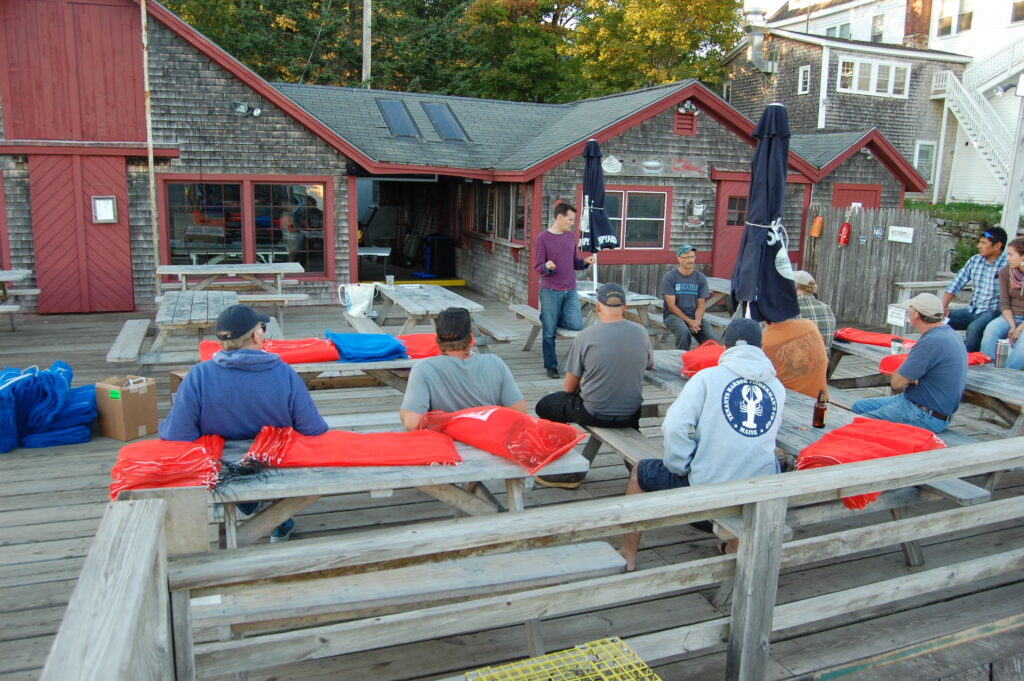
Aquaculture in Shared Waters is a community-based aquaculture training program which offers trainings for fishermen and sea farmers based in Maine looking to start or improve shellfish and seaweed businesses.
CEI and our program partners provide hands-on technical training, business planning, and access to financing to support students in building sustainable aquaculture and careers and farms.
Courses are held annually and made possible by program partners: Maine Sea Grant, the Maine Aquaculture Association, the Maine Aquaculture Innovation Center, and CEI.
Scallop Technology Transfer
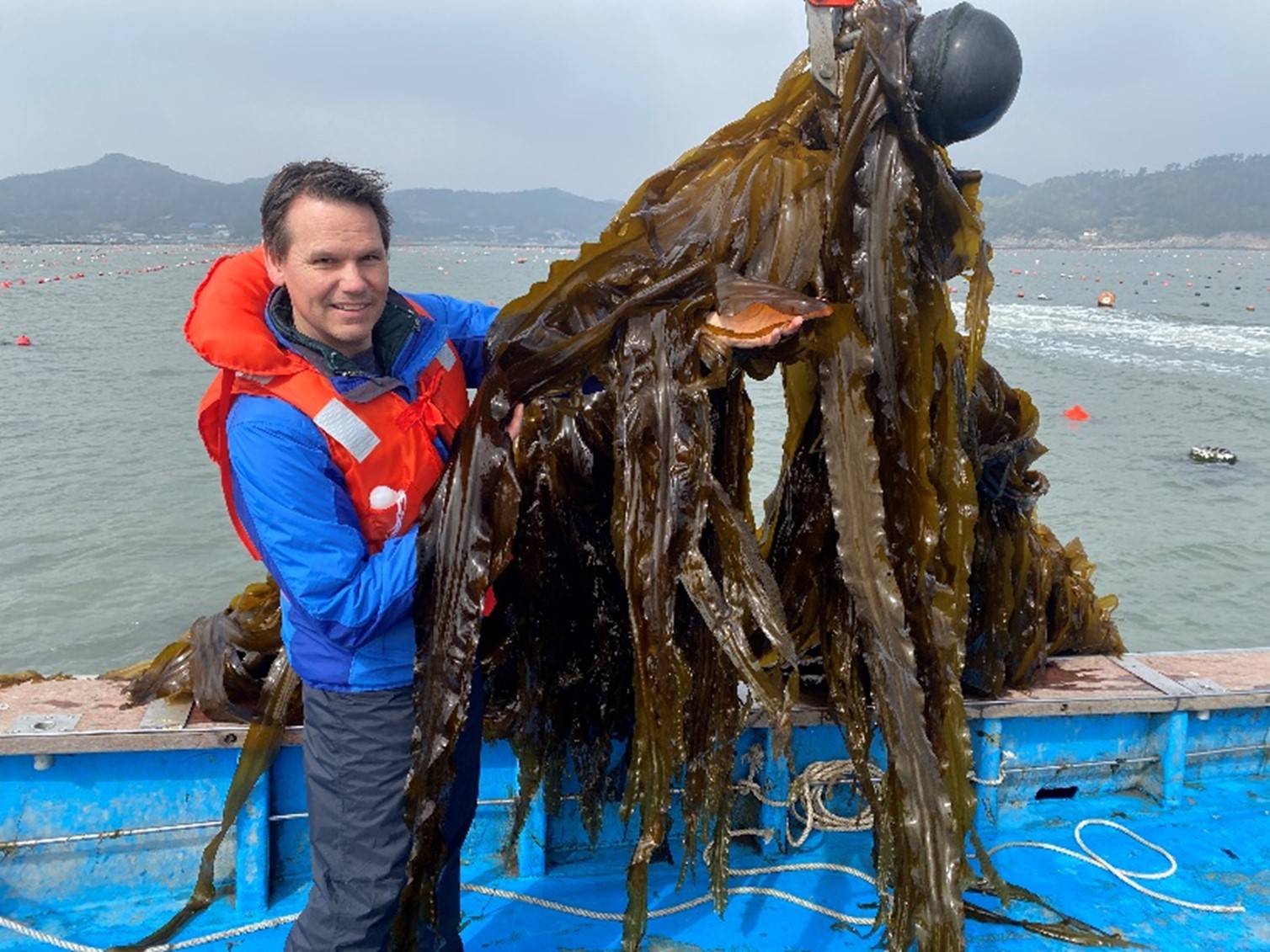
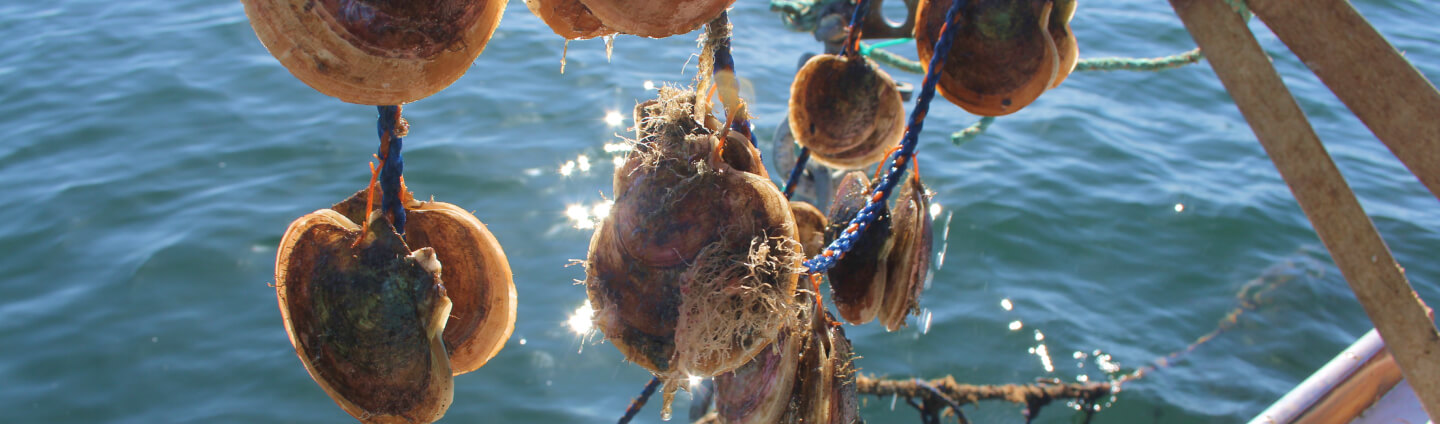
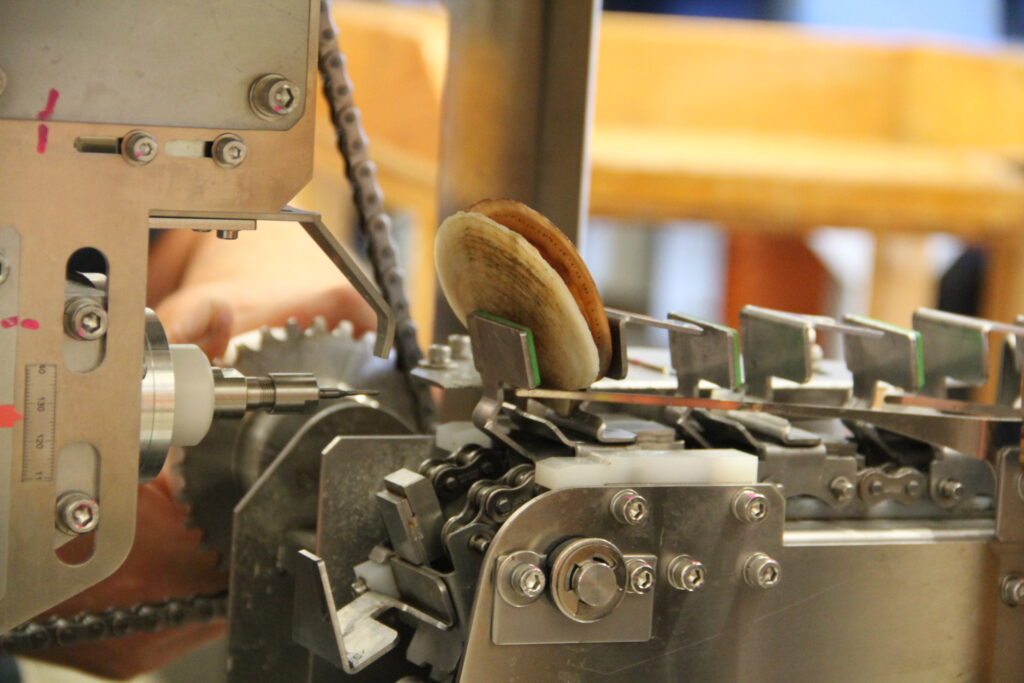
CEI is leading a tech transfer effort with commercial fishermen and shellfish growers in Maine to culture Atlantic Sea scallops.
The effort is in collaboration with representatives from Aomori, Japan where a well-established scallop aquaculture industry currently exists. CEI has purchased and is testing specialized scallop farm machinery to further advance the development of Maine’s scallop aquaculture industry.
Research & Resources
Research & Resources
Atlantic sea scallops (Placopecten magellanicus) present an aquaculture opportunity in the northeast US because of their high value, broad market demand, and favorable growth rate. The US market for scallop adductor muscles, or scallop ‘meats’, is large: US landings averaged nearly $380M between 2000 –2016 (Anonymous, 2019). Despite the opportunities, the species has presented challenges and the processes and equipment for scallop production in the northeast US continue to evolve. This sheet outlines the major processes, equipment, and considerations involved in scallop farming.
The goal of the Maine Seafood Marketing Initiative (MSMI) is to help Maine’s seafood industry identify markets for seafood products to alleviate inventory challenges and retain higher wholesale/retail product value in crowded markets, be competitive and more attractive than low-cost imports, create sustainable markets for our Maine products throughout the US and be better positioned to deal with future regulatory and environmental changes in the Gulf of Maine.
In the current movement to support locally produced foods and rebuild local and regional food systems, the emphasis to date has been on agricultural products. Seafood is not well-integrated into these discussions and efforts. To advance the goal of integrating seafood into a comprehensive Maine food distribution and sales network, CEI is conducting a feasibility study to identify the opportunities and challenges to providing more locally produced fresh and frozen seafood to consumers.
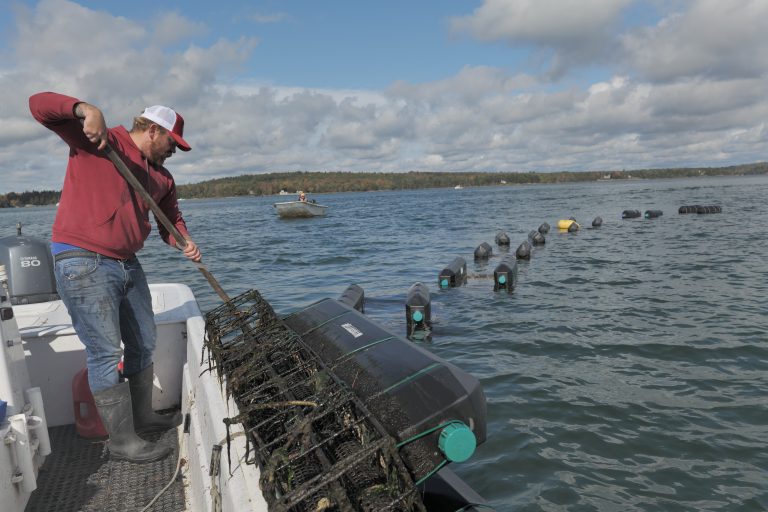
Frenchman Bay Oyster Company
“Born and raised in Maine, Graham Platner served eight years in the military, with four combat tours in Iraq and Afghanistan, before landing…”
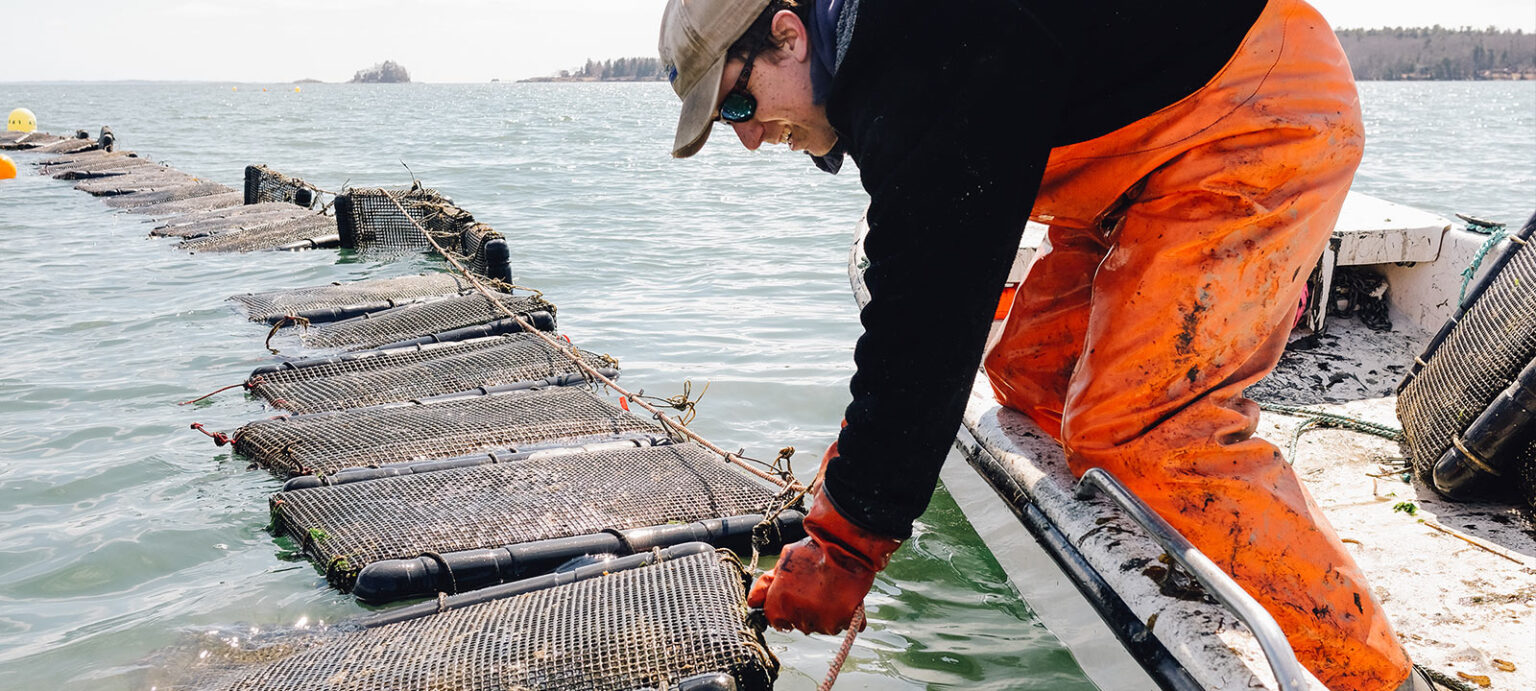
Maine Ocean Farms
“The oysters produced by Maine Ocean Farms are regarded as some of the best on the East Coast and are served across Maine…”
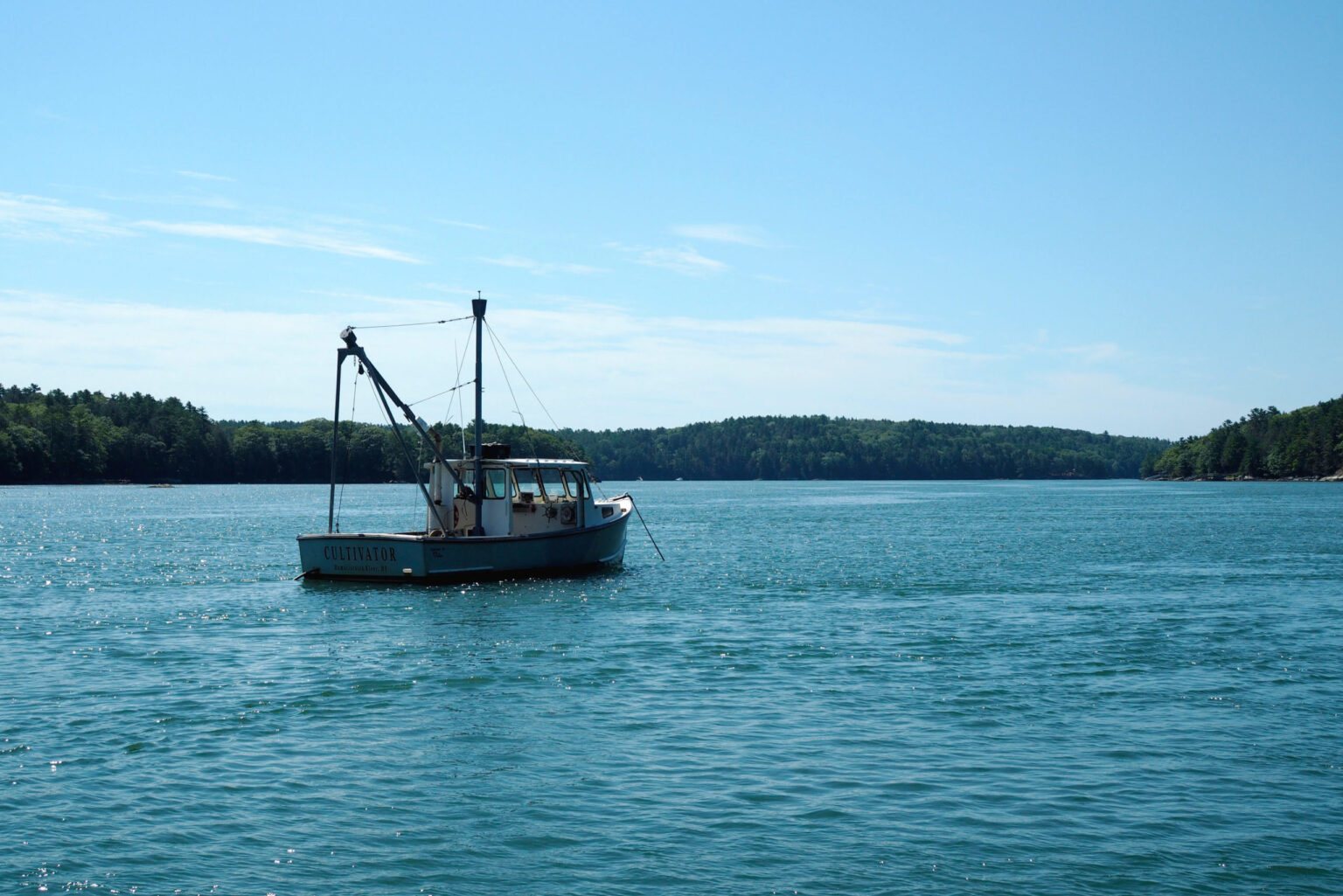
Glidden Point Oysters
“Bivalve aquaculturists (oysters, scallops, mussels) face unique challenges, not seen in either traditional farming or marine harvesting. A typical lobstering season in Maine lasts around nine months. Terrestrial…”